If you’ve ever marvelled at a blooming flower or bitten into a crisp apple, you can probably thank a bee. These humble insects, often mistaken for mere pests, are in fact ecological rock stars! Nature lovers, gardeners, and environmentalists alike owe much to bees—and it’s high time we celebrate their vital role in our ecosystems. 🐝💛
In this blog post, we’ll buzz into the wonderful world of bees, exploring what’s threatening them, and how each of us can be a hero for our pollinator pals. Ready to fall in love with bees? Let’s dive in!
🌼 Pollination Powerhouses: Bees Keep Nature Blooming
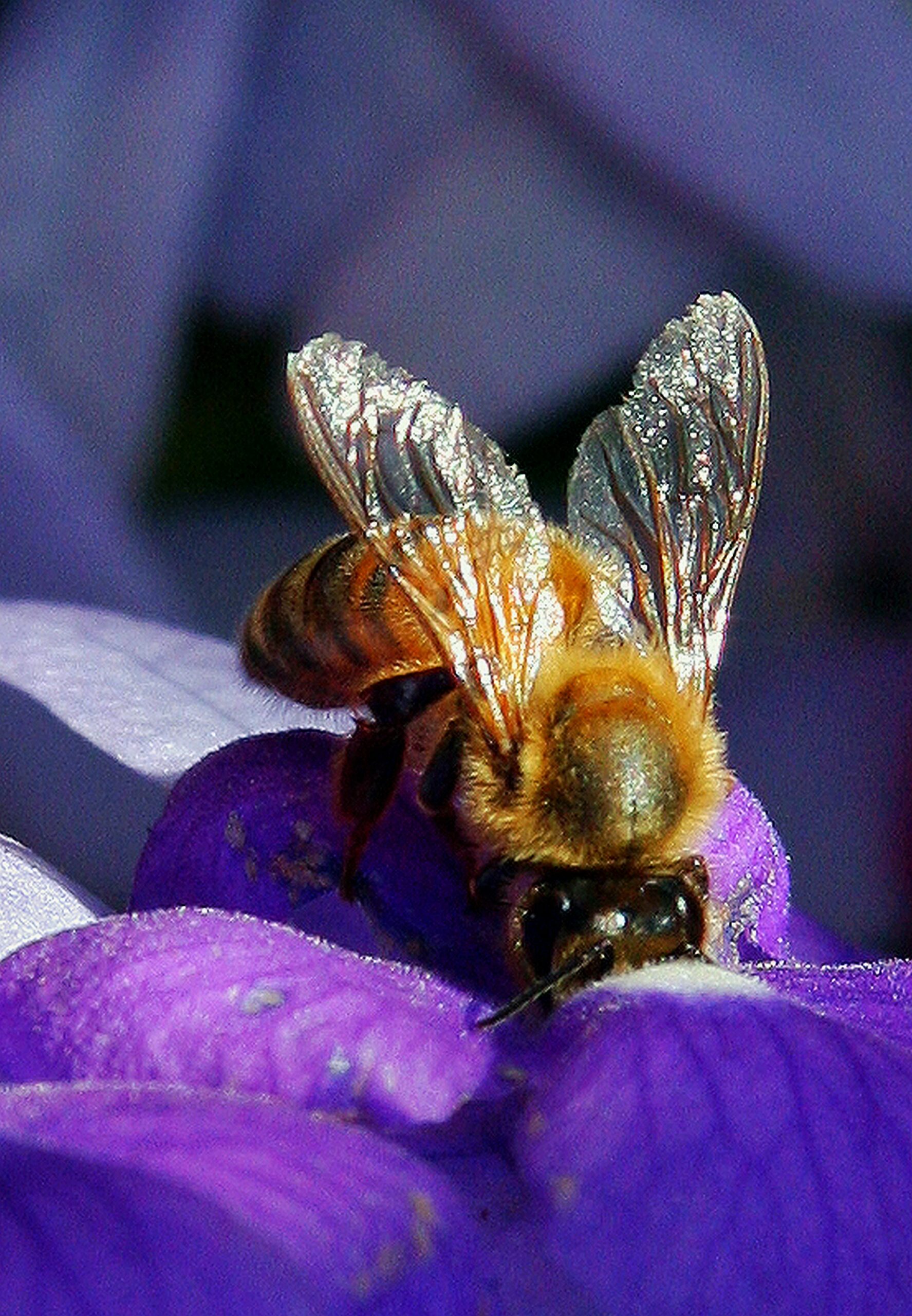
Pollination is the secret life force behind much of the plant world, and bees are its tireless workers. As they move from flower to flower collecting nectar and pollen, bees fertilize plants, enabling them to produce fruits, seeds, and new life. About one-third of all the food we eat depends on pollination—yes, that includes your morning coffee and favourite fruits!
Without bees, many wildflowers would vanish, crops would yield less food, and ecosystems would unravel. Bees support the entire food chain, from bugs and birds to humans.
🌱 Fun Fact: A single bee colony can pollinate 300 million flowers each day!
🍯 Beyond Honey: The Biodiversity Connection
We all love honey (who doesn’t?), but bees offer way more than just that golden sweetness. Wild bees, especially, play a crucial role in supporting biodiversity. Their pollination supports the health of wild plant communities, which in turn provide shelter and food for birds, insects, and mammals.
From forests to meadows to backyard gardens, bees are the glue holding natural systems together. When bee populations decline, entire ecosystems feel the sting.
📘 Want to dive deeper into how pollinators sustain life? Check out The Pollinator Partnership—an incredible resource for bee-lovers and conservationists alike.
🚨 Under Threat: Why Bees Are Disappearing
Here’s the not-so-sweet news: bees are in trouble. Over the past few decades, bee populations have been plummeting due to:
- Pesticide use
- Loss of habitat
- Climate change
- Parasites and diseases
This phenomenon, often referred to as “Colony Collapse Disorder,” has raised alarms worldwide. According to the UN, up to 40% of invertebrate pollinator species (like bees and butterflies) may face extinction.
🐾 This matters not just for nature lovers, but for farmers, food companies, and future generations. Saving the them isn’t just trendy—it’s essential.
🛠️ How You Can Bee the Change
Don’t worry—this isn’t all doom and gloom! You can make a difference. Whether you have a windowsill garden or acres of land, here are some joyful ways to support our buzzing friends:
🌻 Plant a Bee-Friendly Garden
Bees adore native, nectar-rich plants like lavender, sunflowers, wildflowers, and thyme. Plant in clusters, choose a variety of bloom times, and avoid hybrids with no pollen.
🚫 Say No to Pesticides
Go organic or use natural pest deterrents like neem oil. Many pesticides are toxic to them, even in tiny amounts.
🏡 Provide Shelter
Leave a patch of bare soil or install a bee hotel to help solitary bees nest safely.
💧 Give Them Water
Bees get thirsty too! Offer a shallow dish with clean water and pebbles for them to perch on.
📣 Support Local Beekeepers
Buy local, raw honey and support small-scale beekeepers who treat their bees ethically.
🐝 Want to take action today? Visit Save the Bees to find out how your voice can help change policies and protect pollinators on a larger scale.
🌍 No Bees, No Us: The Human Connection
It may sound dramatic, but it’s true: without them, humans wouldn’t survive. These tireless pollinators are responsible for fertilizing the crops that feed not just us, but the livestock we depend on. Over 75% of the world’s food crops rely on animal pollination, most of which is done by bees. Without them, we’d face massive food shortages, skyrocketing prices, and nutritional imbalances. Imagine a world without apples, almonds, avocados, coffee, or even chocolate—pretty bleak, right? The collapse of bee populations would lead to a domino effect in agriculture, economies, and ecosystems. Saving them is not just about saving nature—it’s about securing our future.
💛 Final Buzz: A Call to Love the Bees
They may be tiny, but their impact is mighty. From pollinating our crops to painting our landscapes with blooming flowers, they work quietly to keep life on Earth humming along.
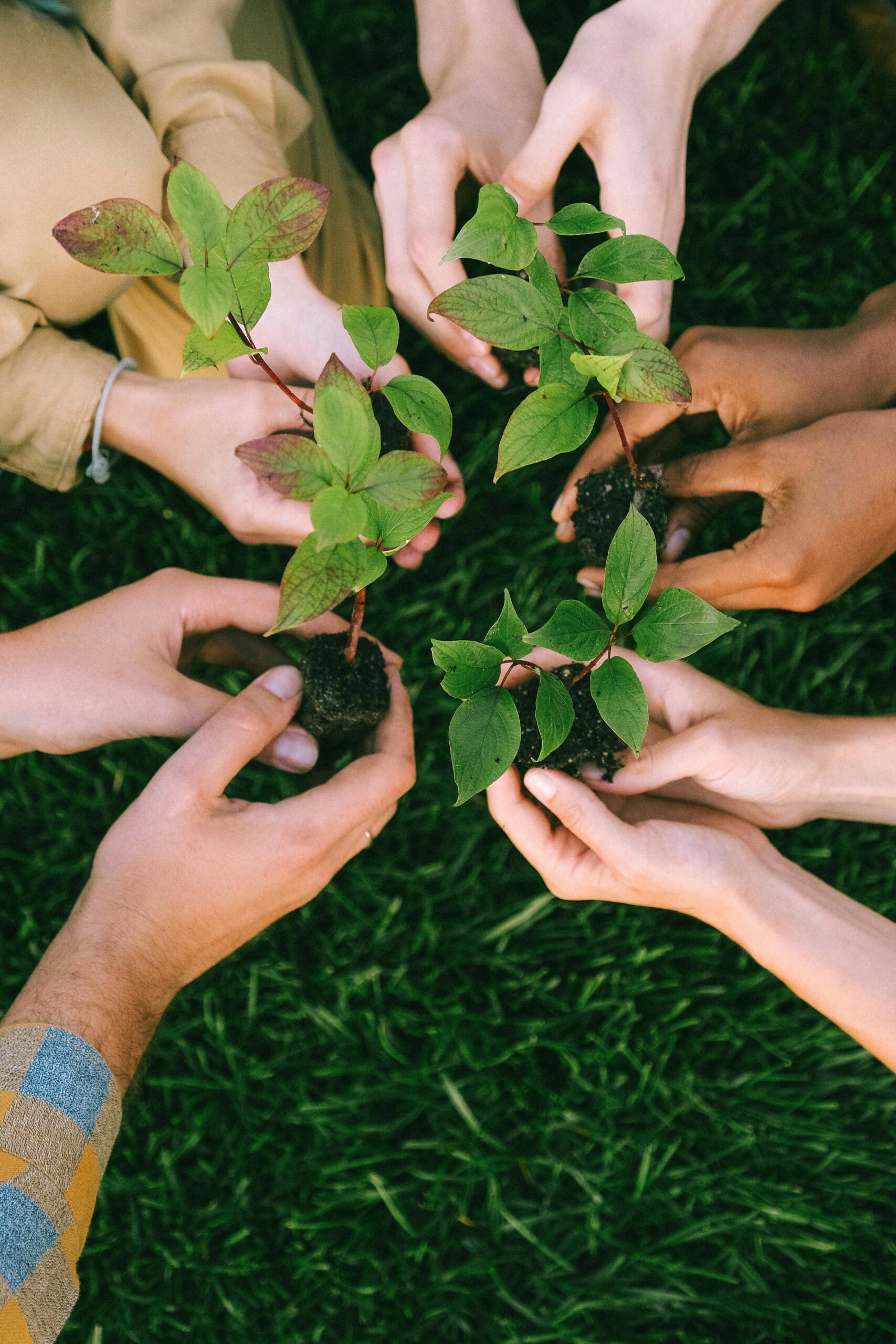
By understanding their importance and taking small, thoughtful actions, we can ensure that bees—and all the beauty they bring—continue to thrive.
🌼 Let’s be the generation that didn’t just admire nature—but protected it, one pollinator at a time.
🐝 Bee-lieve in change! Share this post with your fellow nature lovers, start your bee-friendly garden this week, or volunteer with a local environmental group. Every action—no matter how small—helps these amazing pollinators survive and thrive.